When the Dollar Fails
Money, Crypto, Bartering, and What Actually Holds Value When Systems Break Down

Most people do not think about money as a system. It feels more like a fact of life, like gravity or weather. You work, you get paid, you spend. The dollar is the dollar. But money is not a fact of nature. It is an agreement, and like any agreement, it only holds as long as the parties involved keep honoring it.
That is worth sitting with for a minute, because once you understand that money is a collective fiction we all participate in voluntarily, financial preparedness starts looking a lot less like paranoia and a lot more like common sense.
This post is not about predicting economic collapse or telling you the dollar is about to become worthless. It is about understanding what gives anything value in the first place, what happens to that value when normal systems are disrupted, and what you should actually be thinking about if you want your resources to remain useful when the agreement starts to fray.
Why People Accept Anything as Currency
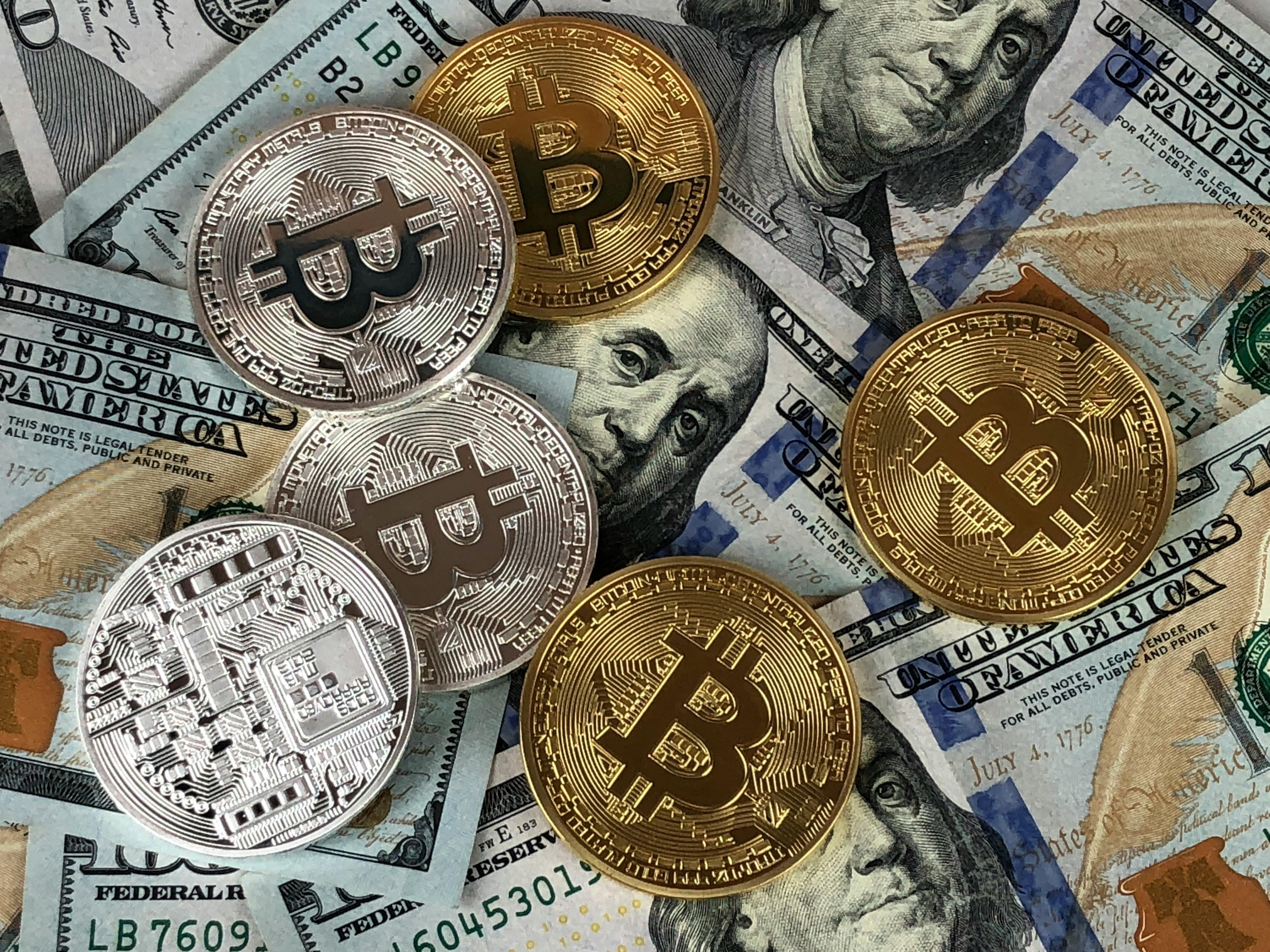
Before we talk about specific currencies, it is worth spending a moment on the underlying question: why do people accept anything as currency at all?
The short answer is that currency works when people trust it will work. That trust is built on a few things: scarcity, which keeps the currency from being worthless because anyone can make it; utility or perceived value, which gives people a reason to want it in the first place; and social consensus, which is just the shared agreement that this particular thing is worth trading for.
Gold worked as currency for thousands of years not because it is especially useful, you cannot eat it or build shelter from it, but because everyone agreed it was scarce and valuable. The dollar works today because the United States government backs it and because virtually every transaction you will ever make accepts it. The moment that consensus breaks down, even partially, the currency becomes less reliable.
This is the lens through which to evaluate every currency option discussed below. Ask not what something is worth today under normal conditions. Ask what it will be worth if the people around you cannot access banks, if supply chains are broken, if institutions are unreliable, and if the things they need most are suddenly hard to get.
Cash: The Most Underrated Short-Term Preparedness Tool
People in preparedness circles sometimes dismiss cash entirely in favor of precious metals or barter goods, and that is a mistake for anything other than the most severe, long-term collapse scenarios.
In the early stages of a disruption, cash is king. Power outages kill card readers. Banks limit withdrawals during banking crises. ATMs run dry fast. But the corner store, the farmer at the roadside stand, the person with a generator willing to charge your phone, most of them will still take a twenty dollar bill without thinking twice.
Cash requires no infrastructure. No cell service, no internet, no power grid. It is universally understood and immediately accepted across an enormous range of transactions. The argument against it is that in a prolonged or severe collapse, inflation can erode its value quickly, or confidence in it collapses altogether. That is true. But those scenarios tend to develop over weeks and months, not overnight, which means cash covers a critical window that a lot of people leave themselves exposed to.
Keep some on hand. More than you think you need. Small bills are more useful than large ones, because making change becomes its own problem in a disrupted economy.
Precious Metals: Real Value, Real Limitations
Gold and silver have been stores of value across virtually every human civilization, and there is a reason for that. They are scarce, durable, portable, and universally recognized as having worth. In a serious long-term disruption, they hold up better than paper currency.
But they come with practical problems worth understanding.
Most people cannot tell the difference between real silver and a convincing fake without tools. That creates a trust problem in informal barter situations. Gold is so valuable per ounce that making change on a transaction is genuinely difficult. If a loaf of bread is worth five dollars and you have a one-ounce gold coin worth several thousand, you have a math problem.
Silver handles smaller transactions better than gold. Junk silver, which is pre-1965 US coins made of 90 percent silver, is a practical option because the coins are widely recognized, their silver content is known, and they come in denominations that make smaller trades workable.
Precious metals make more sense as long-term wealth preservation than as day-to-day transaction currency in a disruption. They are a store of value, not a medium of exchange, and the distinction matters when you are trying to buy something practical from a neighbor.
Cryptocurrency in a Collapse: Why the Infrastructure Problem Is Bigger Than You Think
Crypto has a passionate following in preparedness communities, and some of the arguments for it are legitimate under specific circumstances. It is decentralized, it is not controlled by any single government, and in situations where traditional banking is inaccessible but internet connectivity exists, it can facilitate transactions that would otherwise be impossible.
That qualifier, where internet connectivity exists, is doing a lot of heavy lifting.
The scenarios most worth preparing for are precisely the ones most likely to degrade or eliminate the infrastructure that cryptocurrency depends on. No power means no devices. No internet means no transactions. No cell towers means no connectivity. A solar flare, a serious cyberattack on grid infrastructure, or a prolonged regional disaster can take all of that offline simultaneously.
Cryptocurrency is also only useful if the person on the other side of your transaction accepts it and has the means to receive it. In a localized disruption, most of your neighbors are not going to be set up to accept Bitcoin for a bag of potatoes.
There is a version of the world where crypto matters in a preparedness context, probably a scenario involving financial system instability rather than physical infrastructure collapse, where institutions are stressed but the internet is still up. That is a real scenario worth thinking about. But as a general preparedness tool, it depends on conditions that cannot be assumed, and that makes it a weak foundation to build on.
Bartering: How Trade Works When Currency Fails
Barter is what humans did before currency existed, and it is what they return to when currency becomes unreliable. The basic idea is simple: you have something I need, I have something you need, we trade. No intermediary, no trust in an institution required.
The practical challenge with barter is what economists call the double coincidence of wants. You need to find someone who has what you want and also wants what you have, at the same time. That friction is exactly why currency was invented in the first place.
In a small, tight-knit community where people know each other and know what everyone has and needs, this is manageable. In a large, anonymous, or fragmented community, it gets complicated fast. This is one of several reasons why the community-building discussed in the first post in this series is not just a social exercise. It is a practical economic strategy. The smaller and more connected your trading network, the more efficiently barter can function.
The Best Barter Goods and Unconventional Currencies for a Disruption
When formal currency becomes unreliable and barter becomes the primary mode of exchange, certain goods take on an outsized role as de facto currency. These are things that people will reliably want regardless of what is happening to institutions or supply chains, things scarce enough to have real value but common enough that people understand and trust them.

Alcohol and tobacco top this list for a reason that has more to do with psychology than nutrition. People under sustained stress reach for comfort, and alcohol and tobacco have served as comfort goods and informal currency in every documented collapse scenario from post-WWII Europe to more recent regional disasters. They do not spoil quickly, they are compact relative to their value, and almost everyone understands what they are worth. You do not have to consume either to recognize their value as trade goods.
Medical supplies and medications are arguably the most critical category, and the most underestimated. Antibiotics, wound care supplies, over-the-counter pain relievers, insulin, blood pressure medications, basic surgical tools. In any disruption that outlasts the contents of people’s medicine cabinets, these become extraordinarily valuable. The person with a well-stocked first aid kit and the knowledge of how to use it has something that cannot be improvised. This is also an area where the skill component matters as much as the supplies themselves, which brings us to the next point.
Skills and labor are currency in ways that tend to get overlooked because they are invisible until you need them. A doctor, a nurse, a midwife, a dentist, a mechanic, an electrician, a carpenter, a plumber, someone who knows how to purify water or preserve food or deliver a baby or set a broken bone. These people hold value that cannot be stolen, does not spoil, and does not depend on anyone agreeing that a particular physical object is worth something. If you have a skill that people will need regardless of what is happening to the broader world, you have a form of wealth that is recession-proof and collapse-proof.
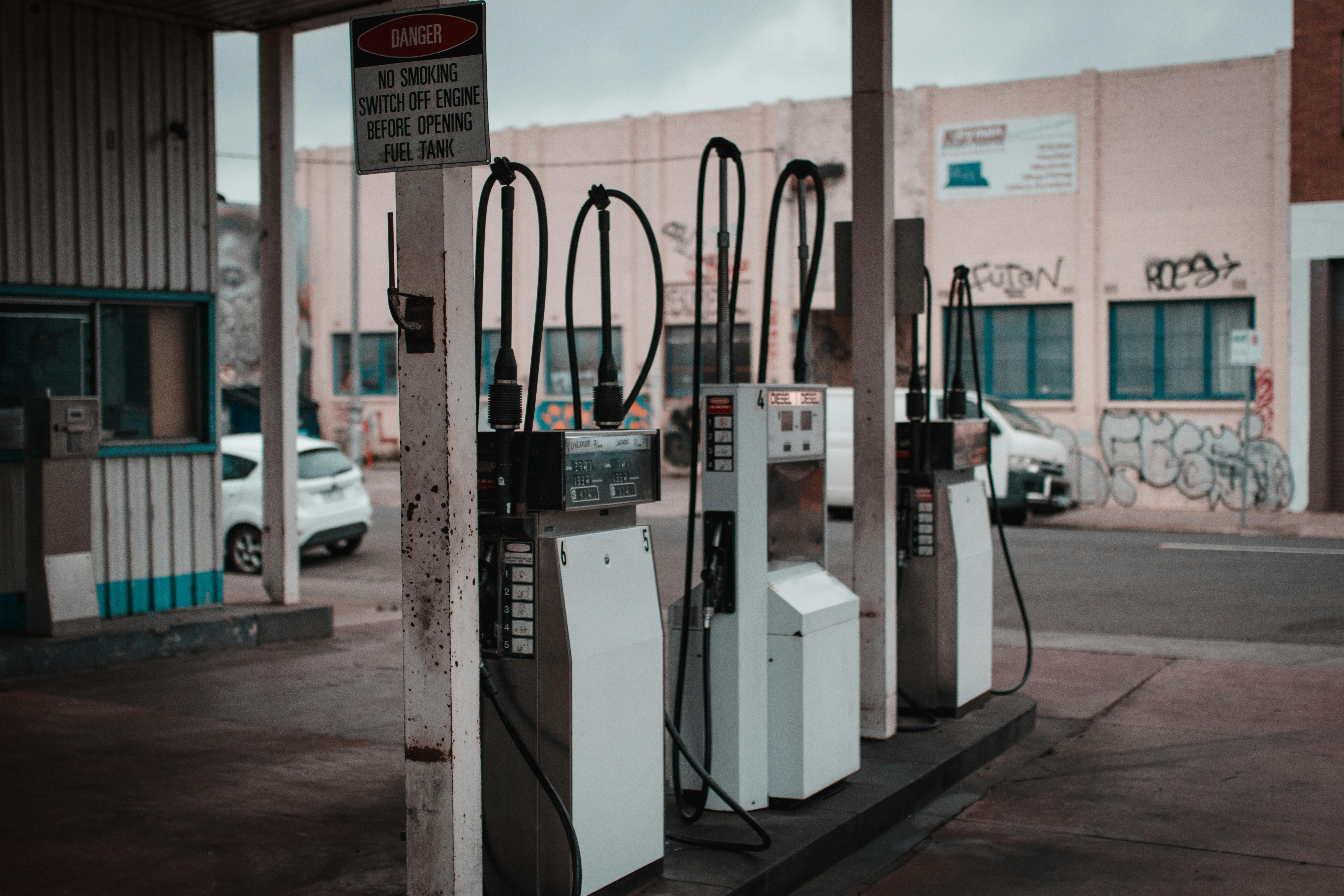
Fuel occupies a category of its own because of how many things depend on it. Generators, vehicles, heating systems, agricultural equipment. In the early to middle stages of a disruption, fuel is often the first thing to run short and the thing people will trade almost anything to get. It is also dangerous to store in large quantities and has a shelf life without stabilizers, which complicates holding it as a long-term trade good. But in the right circumstances, a few extra cans of stabilized gasoline or diesel represent real, practical value.
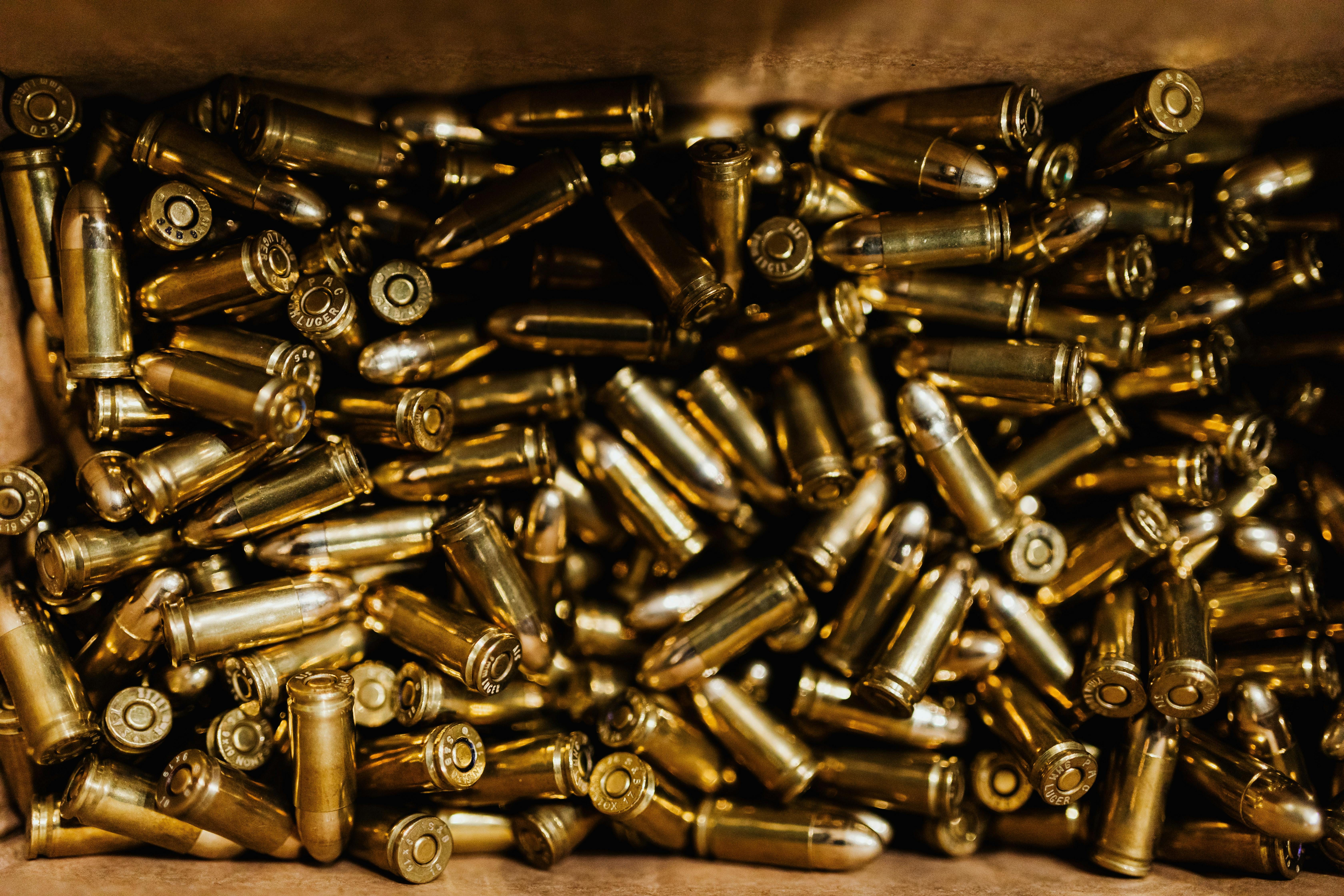
Ammunition, covered in depth in the previous post in this series, belongs here too. Common calibers in a world where hunting and security matter and resupply is uncertain have obvious value to a wide range of people. The same logic that makes 9mm and 5.56 good preparedness choices makes them practical barter goods.
Seeds and food staples round out the list. In a short disruption, packaged food is the obvious trade good. In a longer one, the ability to grow food becomes the more fundamental value. Non-hybrid, open-pollinated seeds that can be saved and replanted year after year are a renewable resource in a way that canned goods are not. Basic staples, rice, beans, salt, flour, cooking oil, are compact relative to their caloric value and represent basic survival needs that create strong trading incentives.
Salt deserves a specific mention because it tends to be underestimated. It is essential for food preservation, has been used as currency throughout recorded history, and takes up almost no space. A fifty-pound bag of salt costs almost nothing today and could be an extraordinarily valuable trade good in a world without reliable refrigeration.
How to Think About Financial Preparedness in Tiers
The most useful way to think about all of this is in tiers, matched to the severity and duration of a disruption.
In a short-term disruption, days to a couple of weeks, cash and existing supplies get you through. Keep cash on hand. Keep enough food and water to not need to go anywhere or buy anything for two weeks. Most people are not prepared to do even this.
In a medium-term disruption, weeks to months, cash starts to lose reliability, supply chains are stressed, and barter begins to fill the gaps. This is where your community network matters enormously and where having trade goods on hand, fuel, alcohol, tobacco, medical supplies, common ammo, starts to pay off (for a deeper look at which calibers make the best barter goods, see the previous post in this series).
In a long-term or severe disruption, the fundamentals take over. Productive skills, the ability to grow food, preserve it, provide medical care, and repair things become the foundation of whatever informal economy develops. Precious metals and durable goods hold value. The nature of currency itself gets renegotiated from the ground up.
You do not have to prepare for all three tiers simultaneously or immediately. But knowing which tier you are in when something happens, and having even modest preparation at each level, puts you in a dramatically better position than the vast majority of people around you.
The Point Is Not to Hoard
It is worth saying plainly: none of this is an argument for hoarding resources at the expense of your community. Quite the opposite.
The most valuable thing you can have in a serious disruption is a network of people who trust you and whom you can trust. Hoarding is a short-term individual strategy that tends to destroy the social trust that makes communities function. Trading fairly, sharing when you can, and being known as someone reliable and generous actually builds the kind of social capital that protects you better over time than a locked room full of supplies.
The goal is not to have so much that no one can touch you. The goal is to have enough to be useful, and to be embedded in a community that functions well enough that no single person needs to have everything.
The community is the currency that does not devalue.